1971 CB350

beli

Active Member
hi there!

i've been a member of the board since february, but have not posted anything yet. to quickly introduce myself, i live in columbus, oh and really like it.

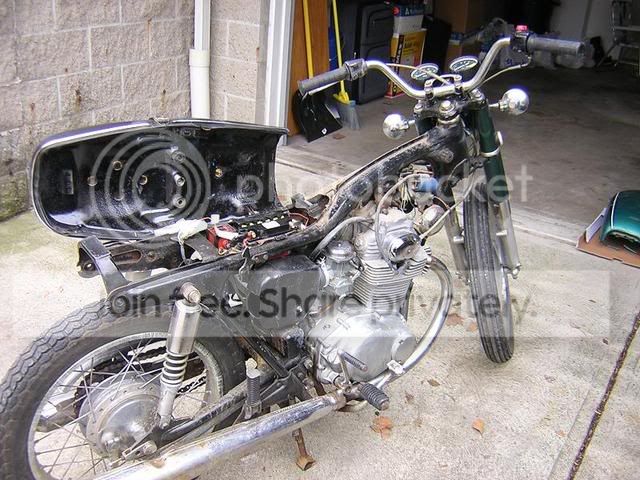
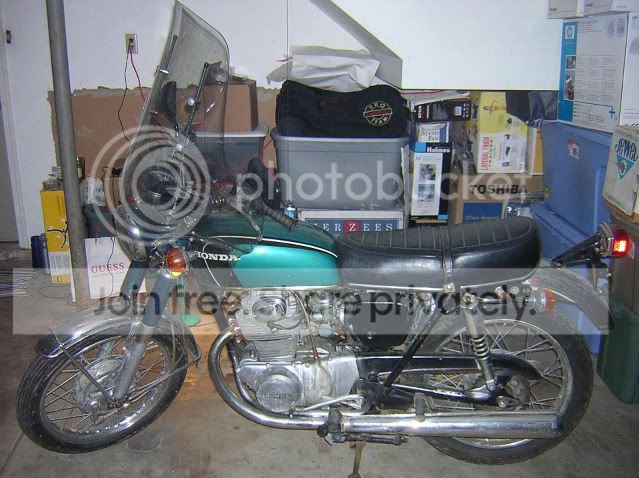
finally got some free time that i cannot use to work on the bike and decided to start this long overdue thread. i picked up a 1971 cb350 in january and the idea was to get something rather small that i could work on in my garage. i paid $625 for it and it was delivered to my door, so i guess it was a decent deal. moreover, it has only 9000 miles on it.

here are some pics of how it looked in january:
CB350-1.jpg


DSCN5463.jpg


it was in an ok shape: battery was dead, lots of rust in the tank, pitted wheels, rusty exhaust, one cylinder would not fire right away, fuel lines were not properly connected, fuel cap latch was broken, etc. however, it was overall good and nothing that cannot be fixed.

this is my first time doing something like this and i can say that i was partly inspired by all the posts on this board. the idea behind the project is to log as much as i can and do as many things as i can by myself. it is not the case that i don't want to give other people to work on the bike, but just to see how much i can learn and manage myself. moreover, i will try to log costs and keep you posted on how much money i will spend on this project.

since i bought this in january, i have worked on it for a few months on and off in my garage. therefore, not all the pics will be in real time, but i hope to catch up the posts with real time developments in the garage d'beli. :)
 
Welcome!

I think your bike holds some kind of record for largest windscreen ever put on a 350... :D
 
No kidding. That is the biggest windscreen I have ever seen! There would be no hitting the ton with that puppy on.
 
yeah, that windscreen is something, isn't it. first time i sat on the bike i felt like a postman in a third world country :).

in any case, here are some more photos of the original condition:

this is the arrangement of the fuel lines when it came. one of the lines coming out of the petcock was plugged up with a screw and the second one was split in two.

ae7cf744.jpg


the condition of the tank was not much better. a lot of rust on the inside:

8593b85b.jpg


db7a2ee6.jpg
 
The initial stages of the teardown:

Looks familiar?

f61c634d.jpg


Since the left cylinder was not firing right (it would fire only when the engine would warm up, and then it would fire sporadic at best), i opened the left carb, but it was not is as bad of a shape as i expected. btw, i had absolutely no idea what to expect when i opened the carb since this was me doing something like this for the first time.

596e7ed0.jpg


i cleaned it up completely and had a bit of a trouble putting the rubber gasket in its place, but it worked with screwing in one side of the bowl and then using the small screwdriver to fit the gasket in its grove before tightening the bowl.

took some small electrical parts off from the back, labeled everything, put the left carb back on and the final result is:

a7f9a7a8.jpg


will post further progress tomorrow.

cheers.
 
Those carb bowl gaskets can be a bugger if they have been exposed to gas with alcahol in it. One thing I found that helps is to put the offending gasket in a microwave safe bowl and zapping it in a water for a while then letting it dry/cool naturally. That usually gets me in the ball park th get the bowls back on. Yah I know, I a cheapskate.

I love my 350. It actually pisses off my friends when people comment on my bike rather than ther pretty modern sportbikes. They always seem to say something like that they first started out one one of these or they knew someone who had one.

Have fun with your's. They are a great little bike.

Josh
 
ok, since the tank was very rusty on the inside and i was not ready to start cleaning it yet, i decided to come up with a makeshift tank. a new battery was the first purchase i made for the bike and i had an acid container laying around. went to lowe's, got some tubing and a t-connector, and connected the acid container to the carbs. the "new tank" was attached to the frame with a bungee cords (love to come up with new uses for it) and the makeshift tank was ready. i also had to drill a little hole in the acid container to let the air in, but all in all, an ok solution to try figuring out the problem with the carbs before i tear the bike down.

0ae0d6ca.jpg


i used up a couple of "tanks" of gas before i got the left cylinder to work ok. it seems that plugging up one petcock line was not a good idea and that the gas supply was not enough for both cylinders. some adjusting and more supply of gas fixed the problem.

f39dc737.jpg


the right carb was also leaking gas through the drain plug. the plug was stripped almost to the end and the gasket was missing. a dirty solution was to use a small piece of the nitrile glove and put it over the hole before inserting the drain plug. i will have to get a new plug, but that will be tackled some other day. at least now i know that the bike is working before i start the serious disassembly.

the next thing was to remove the tach and the speedo and then the headlight came off:

80dc0377.jpg


i am trying to label everything and take tons of pictures so i can put it back together at some later date. i hope i won't have a box of spare parts (the ones that honda engineers did not realize could be left out all together) when i am done.

more to come....

cheers,

beli.
 
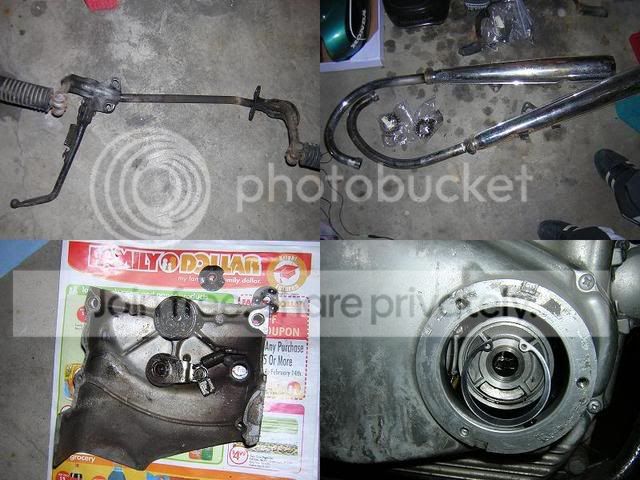
some more things were taken off, labeled, and put into baggies (mostly sandwich):

475dc4cd.jpg


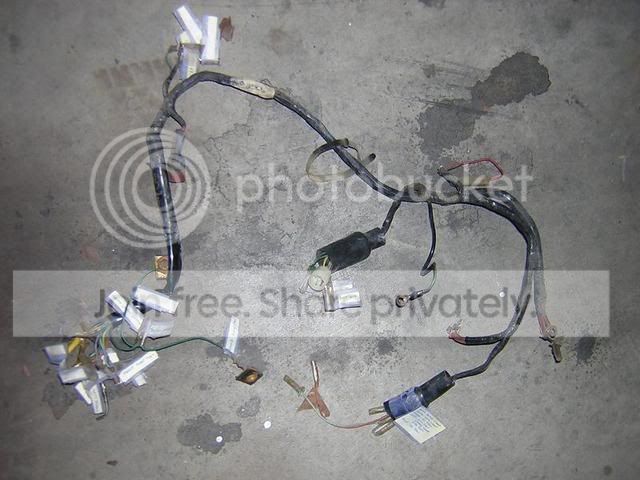
the wiring harness took some finessing to get out in the back. it was tightly put through the frame and i had to remove the labels i already put on to be able to get the wires through. it seemed impossible at first, but it actually got through:

01c60c09.jpg


up to now, i've been using the standard walmart-issued tool box with metric sockets, a rust-blaster and an impact screwdriver from harbor freight (really cheap over there). the impact screwdriver is not the greatest quality and bits tend to brake, but for the purpose of few sporadic uses, it is good enough (for $6 cannot complain).

1a5b8d89.jpg


and, the result of all the teardown so far is:

f00c4f88.jpg
 
after some more work, the triple tree came off:

65eb78f8.jpg


and the engine came out:

81d14aab.jpg


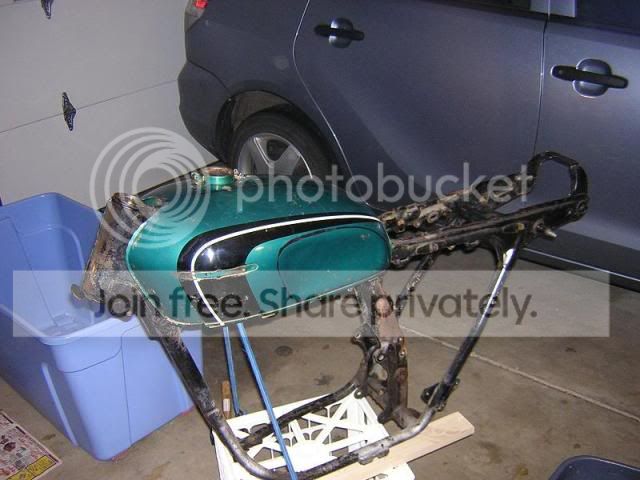
the frame is now ready to be worked on:

1796c1a6.jpg


some things need to be ground off and then paint stripped, rust removed, primed, and then painted.
 
here is the initial stage of the seat build:

i thought about dismantling the original seat which was btw in great shape, but after reading some posts in the seat section of this forum, i took a safe route out of being called an ass and decided to preserve the original seat and buy a shitty one on ebay. i ordered what i had thought came from the same year cb350, but it had turned out it was from a different model. so, i will have to think of some way to fabricate a locking mechanism.

in any case, this was the seat when i got it:
6a992525.jpg


after i removed the cover and the seat foam, it looked like this:
6e9a1d43.jpg


i used some paint stripper (BIX) and removed most of the paint, but to remove the rust, i opted for the electrolysis. it was surprisingly easy and i got the idea from here: http://twinoak.altelco.net/~jacil/clay/motorcycle/KElecSetup.html

i used a 20 gallon tote, some arm and hammer washing soda, an iron rod (which was actually a driver footpeg from a cb750 which was uselessly lying around the garage), car jumper cables, a motorcycle battery maintainer, and a motorcycle battery.

i tried using only the maintainer, but the current was too weak to be detected by the automatic switch inside the maintainer, so i used the battery as the bridge so that the maintained would think it is charging the battery while it was actually doing the electrolysis. i set it to 2 amps and would leave it overnight. the results were pretty amazing:

cf804000.jpg


i then washed the seat pan with a degreaser, dish soap, and finally clean water and when it was dried used a clean rug and rubbed any remaining residue first with mineral spirits and then with acetone.

finally, i primed it with three lyers with duplicolor self-etching primer:

cf863b6c.jpg
 
That is a pretty cool technique to remove the rust, thanks for sharing it. Looks like it works pretty good. Nice job resurrecting that seat pan.
 
originally i did not plan to put the rearsets on, but after seeing many different images of bikes with rearsets on, i decided to give it a try. went to the local used parts store/salvage yard (rice paddy), i was able to pick up right side rearset off a CBR900 (i guess i will get the other one on ebay). a buddy of mine from the ohiocaferacers.com suggested i get 1 in frame clamps (http://www.denniskirk.com/jsp/product_catalog/Product.jsp?skuId=&store=Main&catId=&productId=pH27036&leafCatId=&mmyId=) and some 1 inch spacers to fit the rearsets on (the spacer is used so that the brake pedal can clear the exhaust). so, i got the clamps and i found bolts and spacers in the local hardware store. here it how it will look:

2da34744.jpg


i also got some clubman bars for when the bike will be almost done. since the idea is to get the bike to have as much black color, i went with black bars and it should look something like this:

1c961ea1.jpg


more to come...
 
got a cheap angle grinder at harbor freight and i am ready to do some damage. the first thing to do was to remove the lock from the lower triple tree. it wasn't working anyhow and i am not going to be using it, so off it goes:

6036c50e.jpg


after a little bit of shaving with the angle grinder, i am pleased with the result:

fa35bca2.jpg


the next thing is the right driver footpeg mount. i decided to keep the kickstand, so i am grinding off only the right one. i used a cheap saw to get it going and then smoothed the frame with the angle grinder:

8c47a82d.jpg


then, i needed to cut off the footpegs from the kickstand. this is how it looked before i butchered it:

5ba15ec1.jpg


and after using the saw and smoothing the edges with the angle grinder, the final result is:

58b7fd32.jpg


initially i was going to use the angle grinder to cut the above pieces, but i instead opted for a saw since it was less messy and less noisy. i did all the work with the angle grinder in the garage and i assume that neighbors just love me. just kidding. i tried to do all the loud work on a weekday during the day when most people are at work.
 
have been busy lately, so no time to post. unfortunately, i am in europe at the moment and was unable to go to vintage days in lexington, oh this past weekend. i live so close and was unable to go. bummer.

in any case, here are some pics of how i dealt with the tank. it was very rusted on the inside and i decided to use the electrolysis setup to clean it. once everything is cleaned, it will get redkote coating. but, first thing first.

i filled the tank on the inside with warm water and washing soda and then used a cut up half gallon milk container to prevent the electrode from touching the tank and i connected my battery maintainer to the tank.

81feb55f.jpg


i did it twice since the solution was pretty saturated with rust and after it was done, i filled the tank with a lot of small coins and slushed the coins around. the results were pretty good. before i gave it a final wash with mineral spirits and acetone, this is how it looked before (left) and after (right):

548cbc83.jpg
 
initially i was not planning to do the knee indents, but after reading all the encouraging posts on this board, i decided to go for it.

first i outlined the shape i wanted on one side:

e675bddb.jpg


once i was satisfied, i taped a grocery bag over the markings and got the shape on that piece of nylon, which i then cut out and taped to the other side of the tank so i could outline it and get it to match up.

d22bf9f0.jpg


got a 1 lb deadblow hammer from harbor freight for about $3 and went to town with it. it took a little time before sides gave way, but after all was said and done, i was fairly pleased with the results:

389c7682.jpg


i will eventually smooth the sides with bondo and should look ok. will keep you posted.
 
ever since i got an idea of restoring a bike and turning it into a cafe racer was to create a cafe-style seat. since i got the pan already fixed up and prepped, the next step was to create a hump. before i started working with fiberglass, i had thought that it would be really hard, hence i chose to use the "original" seat pan. in retrospect, it was rather easy to work with fiberglass and had i known that before, i might have created a seat from scratch. that would have given me a lighter seat, but since weight is not something i am overly concerned with, i guess i am ok.

well, here is how the whole thing started. i got a set of 6 blocks of florist foam (the really fine one) and the idea was to put them together and use the expanding foam to fill the gaps between the foam and the seat pan. i forgot to buy some glue, so i figured, what the heck, why not glue the blocks together with foam. and, it worked fine:

48986705.jpg


after i glued together all the blocks and filled the gaps between the foam blocks and the seat pan, this is how it turned out:

eeaaf59d.jpg


now, i used the cheese slicer and the razor blade knife to get the basic shape. i sketched the shape from the front and slowly cut the foam. the cheese slicer worked great because it does not take a lot of foam off at a time. places where foam blocks are connected with the expanding foam were harder to cut with the slicer, so here is when i used the blade knife. all in all, very easy to work with and shape.

bc86717b.jpg


after some time, i was able to get a fairly round and even shape:

264bd6c3.jpg


as you can see, still needs a little bit of trimming, but getting closer with each minute:

4d53bd45.jpg
 
Back
Top Bottom